Quick Answer
A real-estate septic inspection in the Ocala area typically costs $250-$500, or $400-$800 with a pump-out, and FHA/VA lenders nearly always require one. A new conventional system runs $3,000-$8,000 installed; mound and aerobic systems run $10,000-$20,000; permits add roughly $320-$1,900. New systems on lots under 1 acre inside the Silver Springs or Rainbow Springs Priority Focus Areas must be nitrogen-reducing, which adds $8,000-$20,000.
Real-Estate Septic Inspections: Don't Let the Tank Kill Your Closing
Nobody thinks about the septic system until day 25 of a 30-day contract. Then the lender asks for the inspection report.
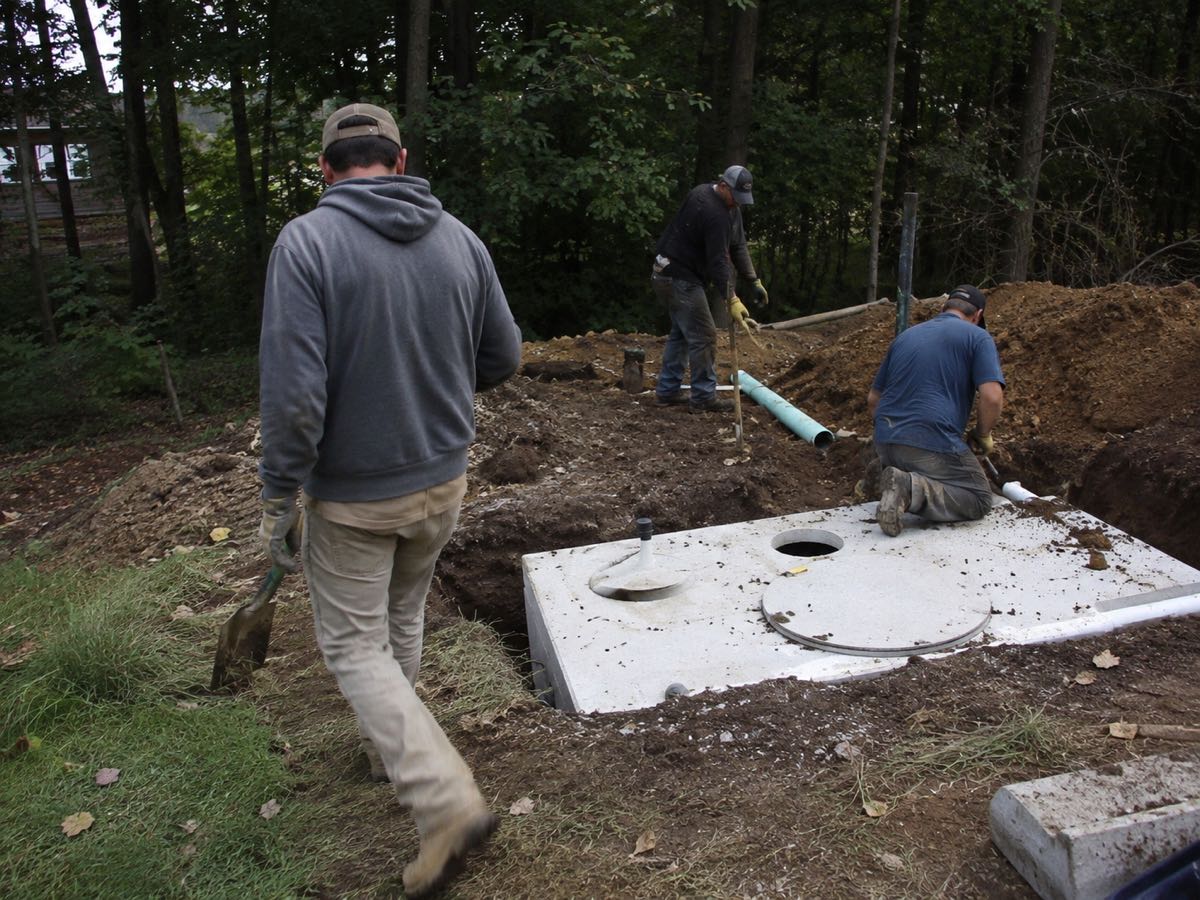
Florida doesn't mandate a point-of-sale septic inspection statewide, but FHA and VA lenders nearly always require one, and most buyers' agents in Marion County won't move without it. We open the tank, check baffles, measure sludge and scum layers, run water to load the drain field, and hand you a written report. No verbal "yeah, it's shot" diagnoses.
Sellers: get inspected before you list. A drain field problem discovered by the buyer's inspector costs you leverage. The same problem found by yours costs you a repair on your own schedule. See our drain field repair page for what that usually runs.
What a New System Costs Around Ocala
These are typical Ocala-area ranges compiled from local cost data, not quotes. Your soil, lot size, and PFA status move the number.
| Item | Typical Ocala-area range |
|---|---|
| Conventional tank + drain field | $3,000-$8,000 |
| Mound system or aerobic unit (ATU) | $10,000-$20,000 |
| ENR nitrogen-reducing requirement (where triggered) | +$8,000-$20,000 |
| Permits + site evaluation, all-in | ~$320-$1,900 |
| Real-estate inspection only | $250-$500 |
| Inspection + pump-out | $400-$800 |
| ATU annual maintenance contract (2 visits required) | $300-$600/yr |
Why the wide spread? Geology, mostly. Ocala sits on the Ocala Limestone, the rock the whole Floridan Aquifer's most productive layer is named for, and where that rock runs shallow, a standard buried drain field can't get enough soil between the pipes and the aquifer. That means imported fill or an engineered mound. Near Lake Weir, Ocklawaha, and the Fort McCoy flatwoods, it's the seasonal high water table instead: a lot that percs fine in April can need a mound or ATU once the June-September rains raise the water table. Call for exact pricing on your site.
The FDEP Permit Process (It Changed in July 2025)
Every new system needs an FDEP construction permit, Form DEP 4015, before a shovel touches dirt. Marion County's septic permitting and inspections moved from the county health department to FDEP on July 1, 2025, so if you've been searching "Marion County health department septic permit," you're looking in the wrong building. The process: site evaluation and soil profile, system design sized to bedrooms and soil, permit application, installation, and an FDEP construction inspection before cover-up. We handle all of it. Most homeowners shouldn't have to learn Chapter 62-6 of the Florida Administrative Code to get a working toilet. See our full FDEP permit guide for repair-permit fees, the ENR rule in detail, and what's new for 2026.
The ENR Rule: Small Lots Near the Springs Pay More
Here's the rule that surprises people. New systems on lots under 1 acre inside a springs Priority Focus Area must be enhanced nutrient-reducing, ENR-OSTDS, cutting nitrogen at least 65% versus a conventional system. Septic tanks contribute roughly 29-33% of the nitrogen reaching groundwater in the Silver Springs basin, so the state is squeezing new construction hardest.
Much of Ocala and Silver Springs Shores sits inside the Silver Springs PFA, and Dunnellon falls in the Rainbow Springs basin, but boundaries are parcel-specific, so check your parcel against the FDEP PFA map before assuming either way. Marion Oaks is the sharp end of this: quarter-acre platted lots, well under the 1-acre threshold, so a new build there inside the PFA means ENR money, that $8,000-$20,000 line in the table above. We run the PFA lookup on every install estimate so the budget is honest from day one.
Own an ATU? The State Says You Need a Contract
Aerobic treatment units don't get to be ignored the way a conventional tank does. Florida rule requires a maintenance contract with at least two service visits per year, typically $300-$600 annually. The tech checks the aerator, floats, alarm, and effluent. It's cheap insurance on a five-figure system, and it keeps you legal.
Repair, Replace, or Wait for County Sewer?
Fair question, and here's the honest answer. Marion County's ARPA-funded septic-to-sewer program is real, but so far it funds only phased sections of Silver Springs Shores, roughly 400-600 lots per phase. If you're inside an active phase, connection can be covered; call Marion County Utilities at 352-671-8474 before spending anything on a new system. Everywhere else, the county's other ~90,000 septic homes, sewer isn't coming any time soon. Plan on maintaining what you have: pump every 3-5 years, and if the system is limping, a repair usually beats a full replacement. When it doesn't, we'll walk you through why.